The Secret Sales Nobody's Talking About (But Everyone's Affected By)
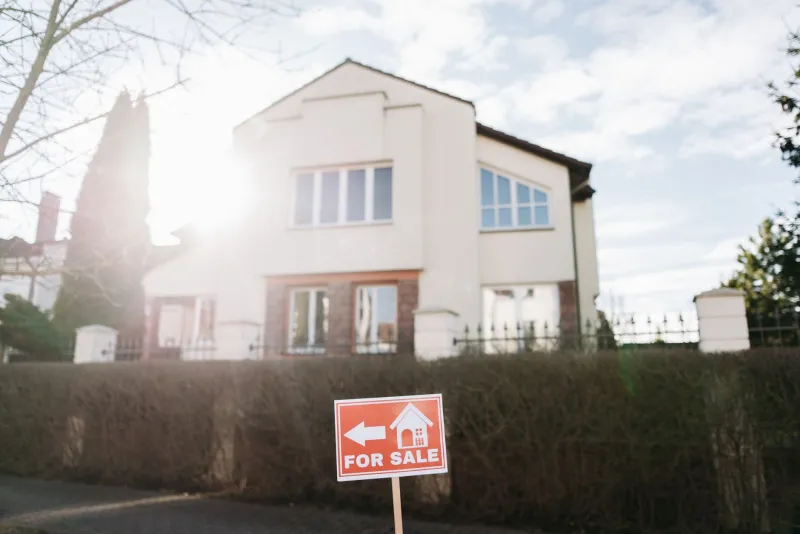
You've probably done it. You're curious about what homes are selling for on your street, so you pull up a listing site and start scrolling. The numbers look reasonable. The comps seem clear. You feel like you have a solid read on the market.
Except you might be missing a big piece of the picture.
A growing slice of residential real estate never touches the public market at all. No Zillow listing. No yard sign. No open house on a Sunday afternoon. These are off-market sales — sometimes called pocket listings — and they happen more often than most sellers and buyers ever realize. In some neighborhoods, they're reshaping local price benchmarks in ways that even experienced agents have to work hard to track.
So what's actually going on here, and what does it mean for you?
What Off-Market Actually Means
When a home sells off-market, it means the transaction happened outside of the Multiple Listing Service — the shared database that agents use to advertise properties and that feeds most of the consumer-facing real estate sites you're familiar with.
Sometimes this is a deliberate strategy. A seller wants to test the waters quietly before committing to a full public listing. Sometimes it's about privacy — think high-profile individuals, estate sales, or situations where a family simply doesn't want strangers walking through their home. And sometimes it happens organically: a neighbor mentions they're thinking about selling, a buyer's agent makes a cold call, and a deal comes together before a listing ever goes live.
The result is a parallel market that runs alongside the one most people see. And it's not small. In certain urban and suburban markets across the US, estimates suggest that anywhere from 5% to over 20% of residential transactions happen off-MLS in any given year.
Why Some Sellers Choose to Stay Off the Grid
The appeal of a private sale is real, and it's not hard to understand. Selling a home publicly is a production. You prep, you stage, you accommodate showings at inconvenient hours, and you open your personal space to dozens of strangers — sometimes for weeks or months. Going off-market sidesteps all of that.
For certain sellers, there are also financial motivations. If a trusted buyer is already in the picture — a neighbor, a colleague, someone who's expressed interest before — why go through the full listing process? Closing faster and with fewer complications has genuine value.
There's also the psychological factor. A home that sits on the market too long starts to carry a stigma. Buyers wonder what's wrong with it. Going off-market means you never have to deal with days-on-market anxiety at all.
But here's the trade-off most sellers don't fully weigh: limiting your audience almost always limits your price. When only a handful of buyers know a home is available, you lose the competitive pressure that drives offers up. That bidding tension — the thing that pushes a sale from asking price to above asking — doesn't exist when there's only one buyer at the table.
The Ripple Effect on Your Neighborhood's Prices
This is where things get interesting for everyone, not just the people involved in the private deal.
Real estate prices are largely determined by comparable sales — the "comps" that appraisers and agents use to figure out what a home is worth. When a significant number of transactions happen off-market, those sales often don't make it into the public record in a timely way, or they appear without the context that makes them useful as comparables.
If several homes on your block sold quietly at prices above (or below) what the public data shows, the official picture of your neighborhood's value is incomplete. That can work in your favor or against you depending on which direction those hidden sales are trending.
In hot markets, off-market sales sometimes capture premium prices that never get reflected in MLS data — meaning the comps your agent pulls might actually undervalue your home. In softer markets, the opposite can happen: distressed or discounted private sales don't show up to drag values down, giving public listings an artificially optimistic baseline.
Either way, the comps don't tell the whole story.
How Buyers Navigate a Market They Can't Fully See
For buyers, off-market inventory creates a real frustration. You can be diligently watching listings, working with an agent, and still miss out on homes that were never publicly available. It can feel like showing up to a concert after the good seats are already gone.
The most effective way to access off-market opportunities is through an agent who's genuinely plugged into the local network. Experienced agents often know about homes before they list — or instead of listing — because they've built relationships with other agents and with homeowners in the neighborhoods they work. That kind of access isn't something an algorithm can replicate.
Buyers can also be proactive. Some people have had success writing personal letters to homeowners in neighborhoods they love, expressing genuine interest in buying if the owners ever consider selling. It sounds old-fashioned, but it works more often than you'd think.
What This Means If You're Getting Ready to Sell
If you're thinking about selling, the off-market question is worth having an honest conversation with your agent about. It's not automatically the wrong move — but it's not automatically the right one either.
For most sellers in most markets, going fully public on the MLS is still the strategy most likely to generate the highest sale price. More exposure means more buyers, and more buyers means more competition. That competition is what puts money in your pocket.
That said, there are real scenarios where a private sale makes sense. If speed and simplicity matter more than squeezing out every last dollar, or if your personal circumstances make a public listing genuinely difficult, going off-market might be the right call.
The key is making that decision with clear eyes — understanding exactly what you're trading away and what you're gaining in return.
The Bigger Picture
Off-market sales aren't a loophole or a secret handshake for insiders. They're a legitimate part of how real estate actually works in this country, and they've always existed to some degree. But as the market has evolved and as more sellers have become aware of the option, private transactions have become a bigger factor in how neighborhood values are set.
The homes that never hit the market are still shaping the market. That's worth knowing — whether you're selling, buying, or just trying to understand what your home is worth right now.
And if you want to make sure you're seeing the full picture? Talk to someone who's actually in the room where those deals happen.