Before the Boom: Reading the Early Signs That Your Neighborhood Is About to Take Off

There's a version of home value that shows up on Zillow. And then there's the version that hasn't happened yet — the one that's quietly building beneath the surface of your street, your ZIP code, your corner of town.
Most people only think about their home's condition when it comes time to sell. Is the roof solid? Does the HVAC need replacing? Should I repaint the kitchen cabinets? All of that matters. But experienced real estate professionals know that sometimes the most powerful equity a homeowner holds isn't visible in a walk-through. It lives in the neighborhood itself — in the direction it's heading, not just where it stands today.
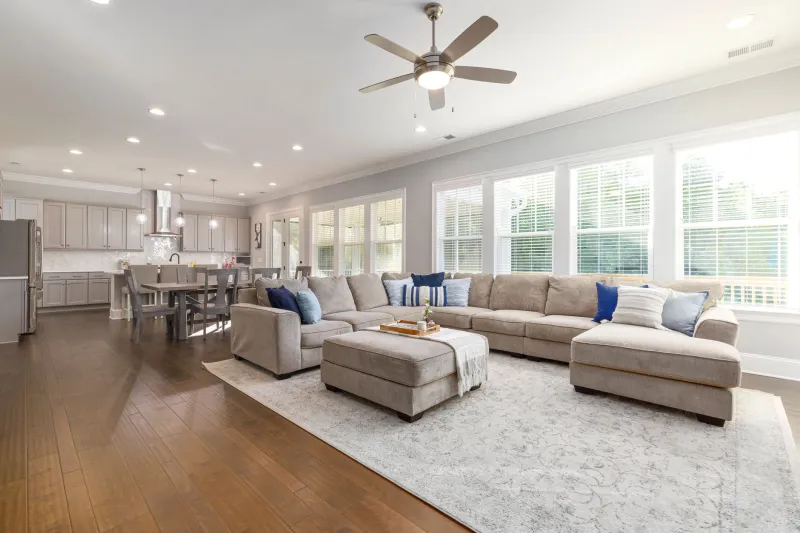
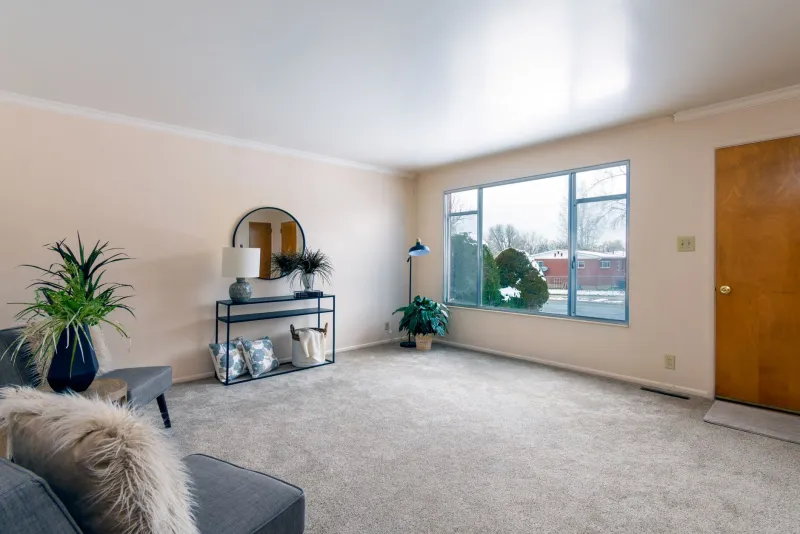
At Shelby Sells, we've seen this play out time and again. A seller lists a modest ranch home in a neighborhood that doesn't look like much on paper — and walks away with multiple offers over asking. Meanwhile, a beautifully renovated colonial two towns over sits on the market for sixty days. The difference, more often than not, isn't the house. It's the story the neighborhood is starting to tell.
What "Neighborhood Trajectory" Actually Means
Trajectory is just a fancy way of asking: where is this place going? Every neighborhood is in motion — appreciating, plateauing, or declining. The tricky part is that the market price of homes today often reflects where a neighborhood was, not necessarily where it's headed.
Savvy buyers have known this for decades. They buy in the "up and coming" area before everyone else catches on, then watch their investment grow. But sellers can use this same lens to their advantage — especially when marketing their home. If your neighborhood is on the cusp of a meaningful shift, that story belongs in your listing.
So how do you spot a neighborhood that's about to move?
The Coffee Shop Rule (And What It Really Signals)
There's an old joke in real estate circles: when the artisan coffee shop opens, start watching prices. But there's real data behind the punchline. Independent cafés, wine bars, and farm-to-table restaurants are typically opened by entrepreneurs who've done their homework. They're betting their savings on foot traffic and a customer base that either already exists or is actively moving in.
The same logic applies to boutique fitness studios, co-working spaces, and specialty grocery stores. These aren't vanity businesses — they're market research made physical. When you see them clustering in a neighborhood, it usually means someone with money on the line believes in where that area is headed.
For sellers, this kind of commercial activity is a legitimate selling point. Don't just describe your home's square footage — describe the neighborhood's momentum.
Infrastructure Investment Is the Loudest Whisper
City and county governments don't spend money on neighborhoods they've written off. When you start seeing new sidewalks, repaved roads, updated street lighting, or expanded public transit routes, that's a signal worth paying attention to.
Federal and state grants for community development often flow into areas that are being strategically targeted for revitalization. New bike lanes, community parks, and public art installations aren't just aesthetic upgrades — they're policy decisions that reflect a longer-term vision for a neighborhood's future.
If your street has seen recent infrastructure love, that's not a coincidence. It's a data point. And when you're selling, it's worth mentioning.
Demographic Shifts Tell a Story
This one requires some nuance, but it's worth discussing honestly. When younger buyers — particularly millennials and Gen Z — start moving into a neighborhood in noticeable numbers, they tend to bring economic activity with them. They open businesses, renovate properties, organize community events, and generally increase demand for housing in the area.
You can spot these shifts in subtle ways: more renovation dumpsters in driveways, new landscaping on previously neglected lots, increased foot traffic on weekday evenings, and a busier local farmers market. These aren't just feel-good signs — they're indicators that a neighborhood is attracting investment and attention.
School ratings, which are heavily tracked by buyers with families, also shift over time as neighborhood demographics change. An improving school rating in a previously overlooked district can dramatically accelerate home value appreciation.
The Anchor Business Effect
In retail, an "anchor tenant" is a major store that draws foot traffic and makes surrounding spaces more valuable. Neighborhoods have their own version of this.
When a major employer relocates to or expands in an area, it doesn't just create jobs — it creates housing demand. When a hospital opens a new campus, or a university expands its footprint, or a tech company plants a regional office, the surrounding neighborhoods feel it. Home values in those areas often start climbing before the building is even finished.
Pay attention to local business news, city council meeting minutes (yes, really — they're public record), and regional economic development announcements. These are the kinds of signals that rarely make it into a home's listing description but absolutely should.
What This Means If You're Selling Right Now
If your neighborhood is showing any of these early signals, you're sitting on something that doesn't show up in a standard comparative market analysis. A good agent will help you articulate that story — not with hype, but with honest, specific detail that resonates with buyers who are thinking beyond the immediate transaction.
At Shelby Sells, we believe your home's listing should tell the full picture. That means the house, yes — but also the street, the neighborhood, the direction everything is moving. Buyers aren't just purchasing square footage. They're making a bet on a place. The more clearly you can show them why that bet is a smart one, the stronger your position at the negotiating table.
And if you're a buyer reading this — take these signals seriously. The best time to buy into a neighborhood's story is before the rest of the market has finished reading it.
The Invisible Equity Is Real
Your home's value isn't static, and it isn't solely determined by what's inside the four walls. The neighborhood it sits in is always doing something — and right now, yours might be doing something worth paying attention to.
Before you spend another dollar on renovations or improvements, zoom out. Look at the street. Look at the businesses moving in. Look at what the city is investing in. Sometimes the best thing you can do for your home's value is recognize the momentum that's already building around it — and make sure the right buyers know it's there.