Your ZIP Code Has a Story — And Buyers Are Paying Extra to Live In It
There's a house on the market in two different neighborhoods. Same square footage. Same school district rating. Same number of bedrooms. One sells in a week over asking price. The other sits for 60 days and accepts a lowball offer.
What happened?
Chances are, one of those homes had a neighborhood story — and the other one didn't.
Something quietly shifted in how Americans choose where to live. It used to be all about commute times, lot size, and whether the kitchen had granite countertops. Those things still matter, sure. But increasingly, buyers are making decisions based on something harder to quantify: vibe. Community identity. A sense that this particular place is going somewhere — or that it already arrived somewhere worth celebrating.
As a seller, that shift is actually great news. Because your neighborhood's story might be worth more than you think.
Why Buyers Are Shopping for Communities, Not Just Coordinates
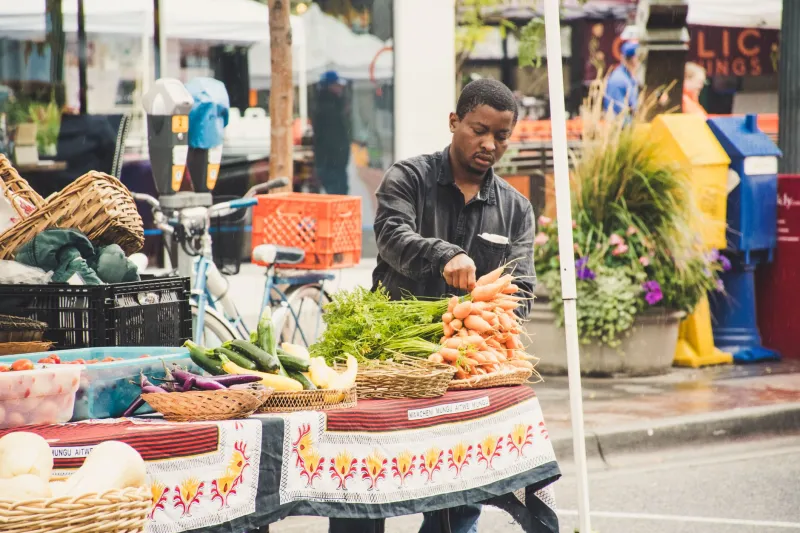
Spend five minutes on any real estate platform and you'll notice something interesting. Buyers aren't just filtering by price and beds. They're Googling things like "best neighborhoods for foodies in [city]" or "most walkable historic districts in [state]." They're asking their agents which blocks have the block parties, where the farmers markets are, and whether the neighborhood has an active Facebook group.
This isn't frivolous. Remote work untethered millions of Americans from specific job locations, which gave them the freedom to prioritize lifestyle in a way that wasn't possible before. When you can work from anywhere, where you live becomes a genuine identity statement.
Neighborhoods that have a clear, authentic identity — whether that's a burgeoning arts district, a resilient historic community that bounced back from economic hardship, or a tight-knit suburb with a reputation for incredible annual festivals — are commanding real premium pricing.
And here's the thing: that story already exists in your neighborhood. You just might not be telling it.
Real Neighborhoods, Real Results
Look at what happened in Detroit's Corktown over the last decade. Once one of the city's most overlooked historic districts, Corktown became a destination story — anchored partly by major employer investment and partly by a wave of independent restaurants, craft breweries, and community-driven renovation projects. Property values didn't just tick up; they transformed. Buyers weren't just purchasing homes. They were buying early tickets to a comeback story.
Or consider how neighborhoods in cities like Asheville, NC, and Bentonville, AR, built entirely new buyer profiles around cultural identity — arts communities, trail systems, culinary scenes — that drew buyers from major metros willing to pay city prices for small-town addresses.
None of this happened by accident. It happened because residents, business owners, and yes, real estate professionals started talking about these places differently.
How to Identify Your Neighborhood's Narrative
Before you can market the story, you have to know what the story is. Here are a few questions worth sitting with:
What's changing for the better? New restaurants, coffee shops, or retail openings are signals buyers read as momentum. If there's a new brewery two blocks away or a beloved chef just opened a spot on your main drag, that's a data point worth including in your listing conversation.
What's the history? Older neighborhoods often carry heritage that newer developments simply can't replicate. A street lined with craftsman bungalows from the 1920s, a neighborhood that was central to a city's cultural or civil rights history, or a community that survived and rebuilt after a natural disaster — these are compelling human stories.
What do residents love that outsiders don't know about? The hidden gem park. The annual chili cook-off that's been running for 30 years. The neighbor who organizes the progressive dinner every December. These details make a place feel alive, and they're the kinds of things buyers remember long after they've forgotten the square footage.
Bringing the Story Into Your Listing
Once you've identified the narrative, the goal is to weave it authentically into how your home is presented — not to oversell, but to give buyers the context that helps them picture their lives there.
That might look like:
- A neighborhood section in your listing description that goes beyond "convenient location" to actually name the restaurants, parks, events, and community touchstones within walking distance.
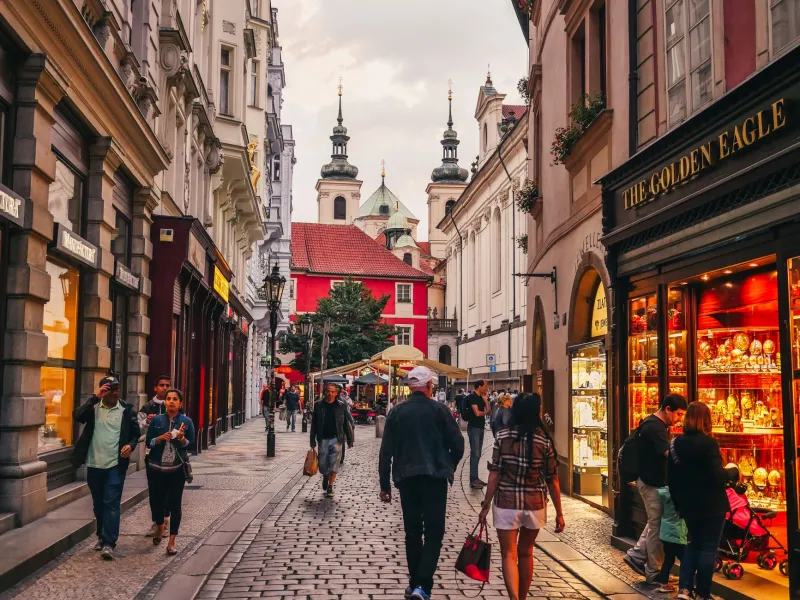
- Photography that captures context, not just interiors. A great listing photo of your front porch is good. A photo that hints at the tree-lined street, the neighbors' front gardens, or the proximity to a beloved local landmark? That tells a story.
- Supplemental marketing materials — a one-page neighborhood guide, a curated map of local favorites, even a short video walkthrough of the block — that help buyers feel oriented in the community before they even schedule a showing.
- Your agent's language in conversations with buyers' agents. When Shelby talks about your home, the neighborhood narrative should be part of that pitch — not an afterthought.
A Word on Authenticity
Here's where sellers sometimes go wrong: overselling a neighborhood that isn't quite there yet, or leaning into a story that doesn't match what buyers will actually experience when they move in.
Buyers are savvy. They'll do their own research. They'll drive the neighborhood at different times of day. They'll check walkability scores and look up the local Facebook group. If the story you're telling doesn't hold up, you'll lose trust fast — and trust is hard to rebuild mid-transaction.
The goal isn't to spin a narrative. It's to surface the genuine one that already exists, and make sure it gets told clearly.
Your Home Is a Chapter, Not the Whole Book
At Shelby Sells, we think about listings as stories — and every home is one chapter in the larger story of its neighborhood. Buyers aren't just evaluating walls and windows; they're deciding whether they want to be part of what's happening around those walls.
When you help them understand what that is — the culture, the community, the trajectory — you're not just selling a house. You're selling belonging. And in today's market, that's worth more than almost any renovation you could do before listing.
Your ZIP code has a story. Let's make sure buyers hear it.