The Homes That Time Forgot: What Stalled Listings on Your Block Are Doing to Your Property Value
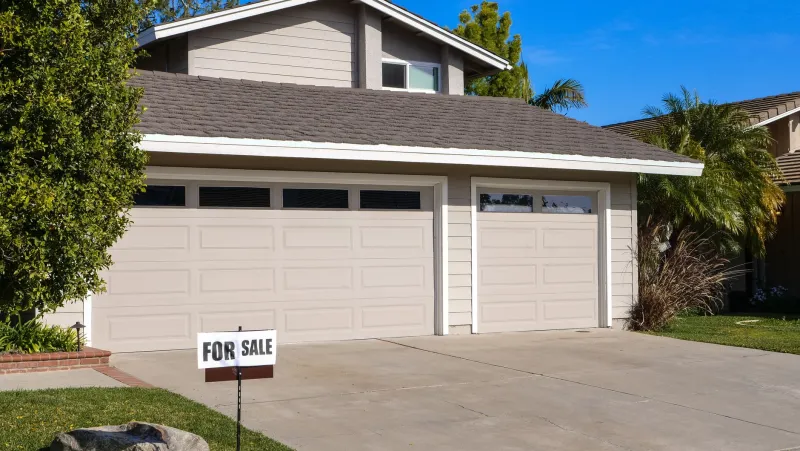
The House That Won't Sell
You've seen it. Maybe it's the Colonial two doors down with the sun-faded yard sign. Maybe it's the split-level around the corner that keeps cycling through price reductions like a clearance rack at a department store. It's been sitting there for months—sometimes longer—and every time you check, it's still listed.
These are what real estate insiders sometimes call ghost listings: homes that haunt the market long after they should have sold. And while it might feel like someone else's problem, if you're planning to sell your own home anytime soon, those stalled properties are very much your business.
Why Some Homes Just... Don't Move
Before we get into how ghost listings affect your value, it helps to understand what keeps a home stuck in the first place. The reasons are more varied than you might think.
Pricing that lives in the past. The most common culprit is a seller who priced their home based on what they need rather than what the market supports. Maybe they're carrying two mortgages and need a certain number to break even. Maybe they bought at the peak and can't stomach a loss. Whatever the reason, buyers aren't interested in your financial situation—they're interested in value. An overpriced home gets shown once, maybe twice, and then quietly avoided.
Undisclosed or unresolved issues. Sometimes a home lingers because something is wrong with it that buyers keep discovering during inspection—and then walking away. A foundation issue, an aging roof, water damage behind the walls, an unpermitted addition. These aren't always disclosed upfront, but they have a way of surfacing. And once a listing develops a reputation in the local agent community, it can be nearly impossible to shake.
Poor presentation that never got fixed. First impressions in real estate are almost irreversible. A home that launched with bad photos, a cluttered interior, or an uninviting exterior tends to get mentally filed away by buyers as a pass. Even if the seller later makes improvements, the listing has already lost its momentum. Days on market is a number buyers pay close attention to, and a high one raises immediate suspicion.
Location-specific challenges. Sometimes the house itself is fine, but the surrounding context creates hesitation—heavy traffic, commercial neighbors, a flight path overhead, or proximity to something buyers find undesirable. These factors don't always show up in a listing description, but they show up loud and clear during a showing.
What Buyers Think When They See a Ghost Listing
Here's the psychology that matters most to you as a seller: buyers are pattern-recognition machines. When they're researching a neighborhood and they keep seeing the same address pop up—month after month, with price cut after price cut—they start asking questions.
Why hasn't anyone bought that place? What does everyone else know that I don't? Is there something wrong with this whole street?
That last question is the one that should concern you. Buyer perception doesn't always stay contained to the specific property. It bleeds into the surrounding area. If your block has one or two homes that have been sitting unsold for a long time, buyers may start viewing the entire neighborhood as less desirable—even if your home is priced correctly, shows beautifully, and has zero issues.
It's guilt by association, and it's completely irrational. But real estate is an emotional purchase, and emotion doesn't always follow logic.
The Numbers Behind the Drag
Research on this isn't hard to find. Studies have consistently shown that distressed or stagnant properties—including long-unsold listings—can suppress nearby home values by anywhere from 1% to 5%, depending on proximity and duration. That might not sound like much until you do the math on a $450,000 home. Suddenly you're looking at a potential $4,500 to $22,500 impact on what a buyer is willing to offer.
And it's not just about the final sale price. Ghost listings can slow down the pace of offers in an area, make comparable sales harder to establish, and give buyers negotiating leverage they wouldn't otherwise have. If there are multiple unsold homes nearby, a savvy buyer's agent will absolutely use that in their client's favor.
How to Protect Your Sale—and Your Price
So what can you actually do about it? You can't force your neighbor to drop their price or fix their foundation. But you can be strategic about how you position your own listing.
Know your competition cold. Before you list, do a deep dive on every active listing within a quarter mile. Look at days on market, price history, and showing activity if you can get a sense of it. Understand exactly why those homes are sitting—and then make sure your home doesn't share any of those same vulnerabilities.
Price with precision, not optimism. If there are ghost listings nearby, buyers are already primed to be skeptical. A well-priced home in that context doesn't just sell—it stands out like a beacon. It signals confidence, honesty, and market awareness. Overpricing in a neighborhood with stalled inventory is one of the riskiest moves a seller can make.
Tell a better story. Ghost listings often fail on presentation. Your home has an opportunity to show buyers exactly what the neighborhood can offer when a property is well-maintained, thoughtfully staged, and marketed with genuine care. You're not just selling square footage—you're selling proof that this street has real value.
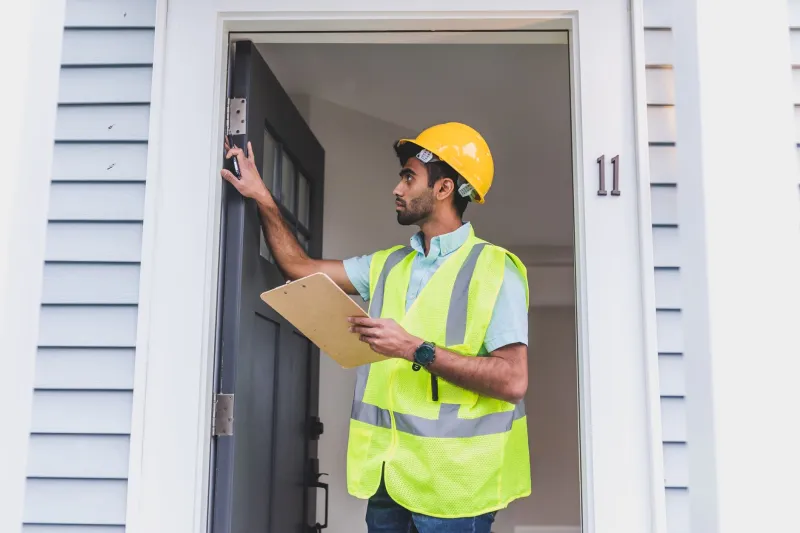
Address everything upfront. If there are any known issues with your home, get ahead of them. A pre-listing inspection is a smart investment in a market where buyers are already nervous. Transparency builds trust, and trust closes deals—especially when the competition is giving buyers reasons to hesitate.
Work with an agent who knows the micro-market. This is where local expertise earns its fee. A great agent will know exactly which nearby listings are dragging, why they're stuck, and how to frame your home in a way that draws the contrast clearly. They'll also know which buyers have already toured those other homes and might be ready to pivot to something that actually checks their boxes.
The Upside Nobody Talks About
Here's a perspective shift worth considering: ghost listings, as frustrating as they are for neighborhood optics, can actually work in your favor if you handle your own sale correctly.
Buyers who have spent weeks or months watching a nearby home sit unsold are often eager to find something that feels right. When your listing hits the market clean, well-priced, and professionally presented, you're not just another option—you're the answer to a question they've been asking for a long time.
The homes that time forgot? They're your contrast. Use them.
At Shelby Sells, we believe every home has a story worth telling—and part of that story is knowing exactly what's happening around you before you ever put up a sign. If you've got ghost listings in your neighborhood and you're thinking about selling, let's talk strategy. Your home deserves more than a listing. It deserves a plan.