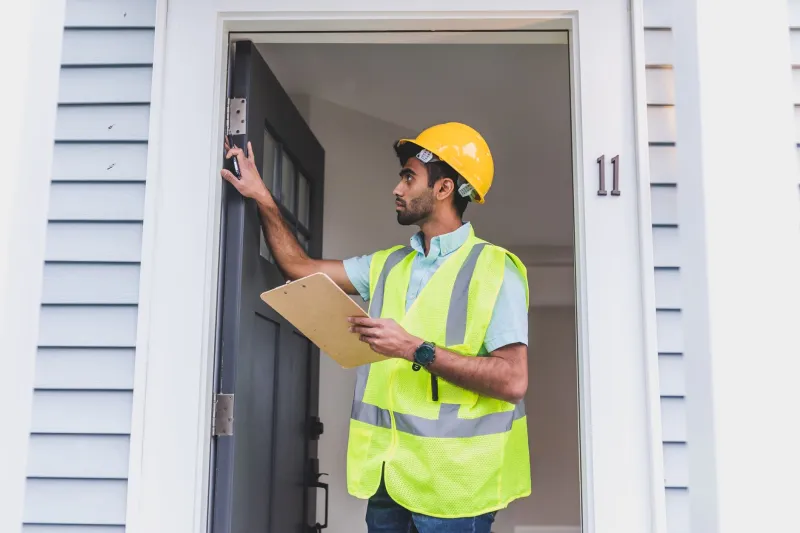
Don't Skip the Last Look: What the Final Walk-Through Can Make or Break Before Closing

You've made it. Inspections are done, the appraisal cleared, and the moving boxes are already stacked in the hallway. Closing day is practically on the calendar in ink. All that's left is the final walk-through — which, let's be honest, most people treat like a five-minute formality before the real celebration begins.
Except it's not a formality. Not even close.
The final walk-through is your last real opportunity to confirm that the property you're buying — or selling — is in the condition everyone agreed upon. And more often than people expect, something comes up. A repair that wasn't completed. Damage that appeared during the move-out. A fixture that somehow went missing between contract signing and closing day. These aren't rare edge cases. They happen regularly, and how you handle them in those final hours matters a lot.
What the Final Walk-Through Is Actually For
Let's clear something up: the final walk-through isn't a second home inspection. You're not looking for new problems or trying to renegotiate the deal from scratch. The purpose is narrower and more specific — you're confirming that the home is in the same condition it was when you made your offer, that agreed-upon repairs were actually completed, and that nothing was damaged or removed during the seller's move-out.
That's it. But within that scope, there's a lot to pay attention to.
For sellers, understanding what buyers are checking can help you avoid a last-minute scramble. For buyers, knowing what to look for means you won't walk into closing only to discover something that should have been caught the day before.
What Buyers Should Actually Be Checking
Bring your repair addendum or any written agreements about what the seller committed to fixing. Walk through each item systematically. Don't assume it was handled — verify it.
Appliances and systems. Run the dishwasher. Turn on the oven. Test the HVAC. Flush the toilets. Run the faucets. These things take three minutes to check and are exactly the kind of thing that gets skipped when everyone's in a rush.
Fixtures and inclusions. If the listing said the washer and dryer convey, they should still be there. Same goes for light fixtures, window treatments, shelving that was part of the deal, or that built-in refrigerator in the kitchen. Sellers occasionally take things they shouldn't — sometimes by accident, sometimes not.
Move-out damage. Furniture gets dragged across hardwood. Walls get scuffed moving out a sectional. A doorframe gets dinged loading a truck. These things happen, and sellers should own up to them rather than hope buyers won't notice. Buyers absolutely will notice.
Utilities are still on. You need power, water, and gas functioning to actually test anything. Confirm utilities haven't been shut off prematurely — this happens more than you'd think, especially in vacant homes.
Basement, attic, and garage. These spaces tend to get less attention during earlier visits and are exactly where sellers leave behind junk they didn't want to haul to a donation center. The home should be broom-clean and clear of the seller's belongings unless otherwise agreed.
Common Last-Minute Problems That Can Stall a Closing
So what actually goes wrong? Here are the scenarios that come up most often:
Incomplete repairs. The seller agreed to fix the leaky bathroom faucet and replace a broken window. Buyers show up and find one done, one not. This is frustrating, but it's fixable — usually through a closing credit or a brief delay to complete the work.
Missing items. The dining room chandelier that was clearly part of the home's character disappears between contract and closing because the seller decided it was a family heirloom. If it was in the listing photos and not explicitly excluded in the contract, this is a problem.
New damage. A pipe bursts during the move-out. A garage door panel gets cracked by a moving truck. These things create real tension because they require quick decisions: does the seller fix it before closing, offer a credit, or does closing get pushed?
The home isn't clean or cleared out. Sellers are typically required to leave the home in broom-clean condition. Discovering three rooms' worth of abandoned furniture and a garage full of old paint cans on walk-through day is not a fun surprise for anyone.
How to Handle Problems When You Find Them
First: don't panic, and don't blow up the deal over something minor. Context matters. A scuff on the baseboard is not the same as a missing HVAC unit.
If you find something significant, your agent becomes your most important resource in that moment. Experienced agents have navigated these situations before and know how to move quickly to find a resolution. Common solutions include:
- Closing credits: The seller agrees to reduce the purchase price or credit the buyer a specific dollar amount at closing to cover the cost of the issue.
- Repair escrow holdback: Money is held in escrow until the seller completes the agreed repair after closing — useful when the fix is minor but can't happen same-day.
- Brief closing delay: If the issue is significant enough, everyone agrees to push the closing back a day or two to allow time for a resolution.
- Seller makes the repair before signing: Sometimes it's something simple enough to fix within hours, and the closing just shifts slightly.
What doesn't work: showing up at the closing table without raising the issue, signing everything, and then trying to come back for damages later. Once you've closed, your leverage is essentially gone.
A Note for Sellers: Get Ahead of This
If you're the one selling, the final walk-through is much less stressful when you've been proactive. Complete your agreed repairs well before closing day — not the morning of. Do your own walk-through before the buyers arrive. Make sure the home is clean, cleared out, and that every fixture and appliance that was supposed to stay is still there.
If something went wrong during your move-out — a wall got damaged, a shelf bracket pulled out a chunk of drywall — tell your agent before the buyers show up. Disclosing it yourself puts you in a much better position than having buyers discover it and wonder what else you might be hiding.
Transparency at this stage builds goodwill. It keeps closings on track. And it protects you from disputes that can drag on long after you've handed over the keys.
The Last Few Hours Matter
Here's the thing about the final walk-through: it's the last moment in the transaction where either side has any real ability to course-correct. After closing, the home is sold. Issues become legal disputes, not negotiating points.
That's why treating this step seriously — even when everything feels like it's already done — is just smart. Bring your checklist. Take your time. Ask your agent to walk through with you. And if something feels off, say something.
The closing table should be a celebration. A little diligence in the hours before it gets you there without surprises.