When the Dream Cabin Becomes a Financial Nightmare: The Real Math Behind Buying a Second Home
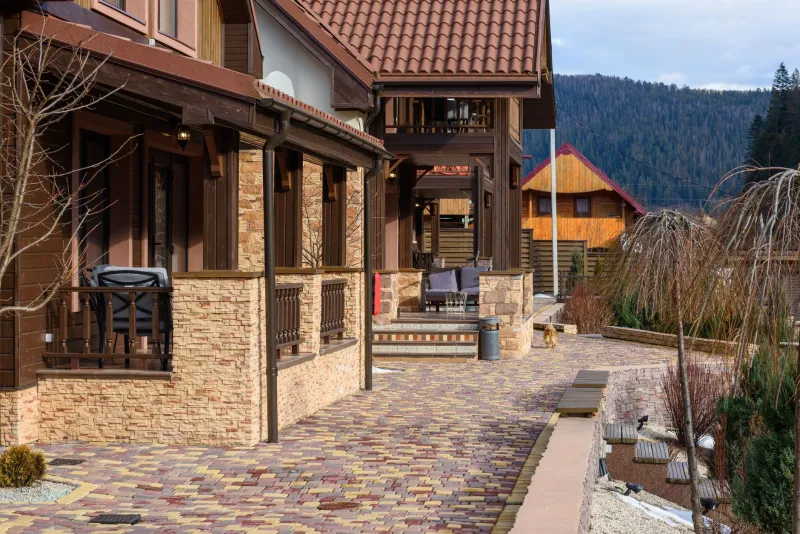
There's a very specific kind of magic that happens when you're sitting on a porch overlooking a lake, sipping coffee, and thinking: I could own this place. The mountains are quiet, the kids are happy, and for one brief, golden moment, the idea of a second home feels less like a luxury and more like a necessity.
Then you get home, open your laptop, and start running the numbers.
I've worked with a lot of clients who've been in that exact headspace — heart already halfway moved in before they've even talked to a lender. And I'll be honest: some of those purchases turned out to be genuinely great decisions. But others? They became expensive lessons in the difference between emotional math and actual math.
So let's talk about both.
The Emotional Pull Is Real — And That's Exactly the Problem
Vacation homes carry a kind of sentimental weight that primary residences just don't. Maybe you've been renting the same beach house in the Outer Banks for ten summers. Maybe your family spent every Fourth of July at a friend's lake cabin in Michigan and you've always wanted something like that for your own kids. That history makes it hard to think clearly.
Nostalgia is a powerful motivator. It's also a terrible financial advisor.
When emotion is driving the decision, buyers tend to underestimate costs and overestimate use. They picture themselves there every other weekend. In reality, work schedules, school calendars, and the general chaos of everyday life often mean a second home sits empty far more than anyone planned. Studies have shown that most vacation homeowners use their property fewer than 30 days per year — which is a staggering amount of overhead for 30 days of R&R.
The Hidden Costs That Nobody Puts in the Brochure
Let's get specific, because vague warnings don't help anyone make a real decision.
Property taxes: In many vacation markets — think coastal Florida, the Smoky Mountains, or Lake Tahoe — property taxes on a second home can be significantly higher than what you're used to paying on your primary residence. And unlike your main home, you won't always qualify for homestead exemptions.
Insurance: Vacation properties in desirable areas often come with elevated insurance premiums. Flood zones, wildfire risk, hurricane exposure — if you're buying somewhere beautiful, there's usually a reason it's beautiful, and nature tends to make insurers nervous. Expect to pay more, sometimes a lot more.
Property management: Unless you live close by, you'll need someone to handle emergencies, coordinate rentals if you go that route, manage cleaning crews, and deal with the inevitable broken HVAC unit at 11 p.m. on a Friday. Property management companies typically charge 20–35% of rental income. That's not nothing.
Maintenance and upkeep: Vacation homes often sit in climates or environments that are harder on structures — salt air, heavy snow loads, humidity, pests. Deferred maintenance compounds fast when you're only visiting occasionally and not catching small problems before they become big ones.
Carrying costs when it's empty: Mortgage, utilities, HOA fees, lawn care — these don't pause just because you're not there.
Add it all up, and a $400,000 vacation property can easily run $30,000–$50,000 per year in total carrying costs before you've set foot inside.
The Rental Income Fantasy
Here's where a lot of buyers talk themselves into a purchase that doesn't quite pencil out: "We'll rent it out when we're not using it."
Short-term rental income is real, and in the right market, it can be meaningful. But it's also unpredictable. Platforms like Airbnb and Vrbo have reshaped the vacation rental landscape, and local regulations are changing fast. Several popular vacation towns — Santa Monica, New Orleans, parts of Hawaii — have implemented strict limits on short-term rentals that have dramatically cut into owner income.
Rental income is also taxable, and the IRS has very specific rules about how a property is classified depending on how many days you use it versus rent it. A good CPA is not optional here.
The honest version of the rental income story is this: it can help offset costs, but it rarely eliminates them, and it comes with its own management burden.
So When Does a Second Home Actually Make Sense?
I don't want to talk anyone out of a purchase that genuinely fits their life and their finances. Second homes can be wonderful. Here's what the good scenarios tend to look like:
- You can comfortably afford it without rental income. If the math only works because of projected Airbnb revenue, that's a shaky foundation.
- You'll use it consistently and often. If you're realistically going to be there 40–60 days a year and the property is within a reasonable drive, the cost-per-use starts to make more sense.
- You're buying in a market with strong long-term fundamentals. Desirable locations with limited inventory and consistent demand tend to hold value well.
- You have a clear exit plan. What happens if life changes? Can you sell without taking a significant loss? Is the market liquid enough?
What I Tell My Clients
When someone comes to me excited about a vacation property, I don't try to talk them out of the feeling. That excitement is valid. What I do is help them slow down long enough to ask the hard questions — not because I want to rain on anyone's parade, but because a decision this big deserves clarity.
The best purchases I've seen are the ones where buyers went in with open eyes: they knew what it would cost, they had a realistic picture of how they'd use it, and they made peace with the fact that it might not "make money" in a traditional sense — but it would make memories. And for some families, that's worth every penny.
The worst ones are the purchases driven purely by a moment on a porch, followed by years of bills that slowly drain the joy out of the very place that was supposed to replenish it.
Know which story you're buying into before you sign.