Why Buyers Are Falling Back in Love With Old Houses — And What That Means If You Own One
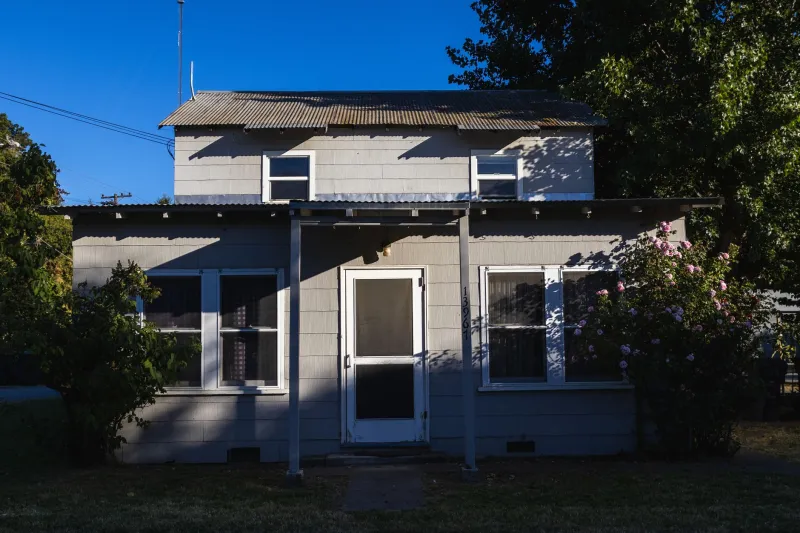
For years, the assumption was pretty simple: new is better. Shiny appliances, open floor plans, fresh paint, no surprises. New construction was supposed to be the gold standard, and older homes were something you settled for when you couldn't afford to build from scratch.
That assumption is crumbling — and fast.
Across the country, in markets from the Pacific Northwest to the mid-Atlantic, buyers are paying premium prices for homes with age, character, and a sense of place. The newer subdivision down the road? It's sitting. The 1940s Craftsman two blocks over? It had six offers by the weekend. Something real is shifting in how Americans think about what a home should feel like — and if you own an older property, it's worth paying attention.
The Nostalgia Economy Is Real, and It Extends to Real Estate
We're living in an era where vintage is valuable. Vinyl records outsell CDs. Farmers markets are packed. Diners with original tile floors charge twice what the chain restaurant next door does. The appetite for things with history — things that feel earned rather than manufactured — has crept into nearly every corner of American consumer culture.
Real estate is no exception.
Buyers, particularly millennials who are now the largest group of home purchasers in the US, grew up in an era of mass production and sameness. Many of them spent their childhoods in subdivisions where every house looked like the one beside it. Now, with purchasing power in hand, they're actively seeking something different. Something with a story. Something that couldn't be replicated by a developer with a blueprint and a weekend crew.
That 1920s bungalow with original hardwood floors and a clawfoot tub? It has something no new build can manufacture: authenticity.
What Buyers Are Actually Getting With Older Homes
Beyond the emotional appeal, there's a practical argument for older homes that buyers are increasingly making out loud.
Mature neighborhoods. Established communities have trees that took decades to grow, sidewalks that connect to actual destinations, schools with track records, and neighbors who've been there long enough to actually know each other. These things can't be fast-tracked. A new development might promise community, but a mature neighborhood has already built one.
Lot size and placement. Homes built 50 or 60 years ago often sit on larger lots with more generous setbacks. Modern construction tends to maximize density, which means smaller yards, closer neighbors, and less privacy. Buyers who want outdoor space are increasingly turning to older homes to find it.
Construction quality. This one surprises people, but it's a genuine factor. Old-growth lumber, plaster walls, and solid-wood millwork are materials that simply aren't used in modern residential construction. When maintained well, they hold up in ways that contemporary materials often don't. Buyers who know what to look for are actively seeking homes with these features.
Unique design details. Crown molding, built-in bookshelves, arched doorways, decorative tile work — these are the details that buyers photograph and share. They're the things that make a house feel like a home rather than a product. And they cost real money to replicate in a new build, if they can be replicated at all.
The Price Gap Is Narrowing — And Sometimes Reversing
Here's where it gets interesting for sellers. In certain markets, the traditional price premium for new construction is shrinking or disappearing altogether. In some high-demand urban and suburban neighborhoods, well-maintained older homes are actually commanding more per square foot than comparable new builds nearby.
Why? Supply and demand, partly. There are only so many older homes in established neighborhoods, and you can't create more of them. New construction can always add inventory. The old Craftsman on Maple Street is one of a kind.
There's also the cost factor. New construction prices have surged in recent years, driven by labor costs, supply chain disruptions, and the expense of developing raw land. Buyers doing the math are sometimes finding that a renovated older home offers more space, more character, and more neighborhood for the money.
What This Means If You're Thinking About Selling
If your home has some years on it, this trend is genuinely good news — but only if you know how to position it.
The worst thing you can do is apologize for your home's age. Don't over-renovate to chase a contemporary aesthetic that strips away the very features buyers are paying extra for. That original tile in the bathroom? Don't rip it out. The arched doorways? Don't square them off. The hardwood floors with a little patina? Refinish them, don't replace them with LVP.
The goal is to present your home's age as an asset, not a liability. That means professional photography that captures the character, listing copy that tells the story of the neighborhood and the craftsmanship, and a marketing approach that speaks directly to buyers who are actively seeking exactly what you have.
It also means being strategic about updates. Buyers want character, but they also want functional kitchens and updated systems. The sweet spot is preserving the soul of an older home while making sure the bones are solid and the major infrastructure — HVAC, electrical, plumbing, roof — won't give buyers pause.
The Neighborhoods That Benefit Most
Not every older home is positioned to capture this trend equally. Location still matters, and the homes seeing the biggest premium bumps tend to be in walkable neighborhoods with strong schools, proximity to dining and retail, and a sense of established identity.
If your home is in a neighborhood that's already known for its historic character — think tree-lined streets, distinctive architecture, a name that locals actually use — you may be sitting on more value than you realize. The story of your street is part of what you're selling, and buyers are willing to pay for it.
A Final Thought
Real estate markets are always evolving, and the pendulum swings. But the current appetite for homes with age, character, and community feels like more than a passing trend — it feels like a correction. After decades of prioritizing newness, buyers are rediscovering what makes a home feel like a place worth living in.
If yours is one of those places, don't undersell it.